Tales from the SOC: Waking up from Breach Fatigue | S1 Ep017
As cybersecurity battle cries go, “Assume breach” isn’t very convincing. Here’s how to adopt a more positive, proactive mindset.



According to a study of 35,000 organizations and 12.6 million individuals by KnowBe4, over 33% of users are susceptible to becoming victims of phishing attacks.
These attacks often come via phishing emails carrying malicious attachments in the form of .js files, PDFs, excel sheets containing malicious macros, or script files, each of which allows the attacker to execute malicious code.
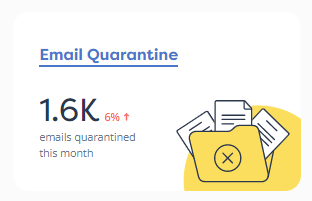
While email security tools often detect these attachments, many still get through, posing a risk to less-trained employees who aren’t paying attention. This can lead to a damaging compromise that leads to data breaches or network impact resulting in business disruptions.
Here’s how to prevent malicious attachments from making it through to your organization.
Malicious attachments can come in several forms:
Threat actors will often find ways to hide these files or code within a number of different file types including screensavers, ISO images, and other installation files that can directly access more embedded systems within a device.
The malicious payload within attachments can lead to several issues for a device and connected network, including:
Malware can monitor and exfiltrate data in several ways:
Ransomware will encrypt your files until you pay a ransom, usually in cryptocurrency. Sometimes, attackers threaten to expose the locked file unless you pay the fee.
A botnet is a network of infected computers that a cybercriminal can control to carry out nefarious activities across a linkage of many computers. These activities include:
Malware can lead to an Advanced Persistent Threat (APT) attack, where an intruder accesses a network and remains undetected for an extended period, monitoring and exfiltrating data.
A common purpose of malware is to steal sensitive information such as login credentials, financial info, or personal data to carry out further attacks.
Several layers of protection exist to prevent email attacks.
Having a robust cybersecurity strategy helps reduce the chance that your organization will fall victim to a malicious email attachment. Prevention goes a long way but a comprehensive security strategy should address what happens if a compromise does occur. However, in-house cybersecurity can be costly, especially as it becomes more and more specialized.
A managed security program takes care of this by being a single point of contact for your company that implements all the necessary email security tools you need, while you deal with only a single vendor.
To learn more about SolCyber’s managed security program, contact us for a no-obligation chat.

As cybersecurity battle cries go, “Assume breach” isn’t very convincing. Here’s how to adopt a more positive, proactive mindset.

Phishing, meet Vishing, and Quishing, and Smishing. We help you tackle the lot of them.

All the cybersecurity experts and vendors in the world failed to stop the SolarWinds attack. It’s often the fluency and completeness of how you respond to the news that really matters…



By subscribing you agree to our Privacy Policy and provide consent to receive updates from our company.