How scammers abuse mobile phone interceptors, and what you can do
Remember Stingrays? Turns out that rogue phone base stations can be used for blasting scams TO you, as well as snooping on messages FROM you.


Remember Stingrays? Turns out that rogue phone base stations can be used for blasting scams TO you, as well as snooping on messages FROM you.
Here are five solid reasons why now is the right time to look into cyber insurance.


Not very far at all, apparently.
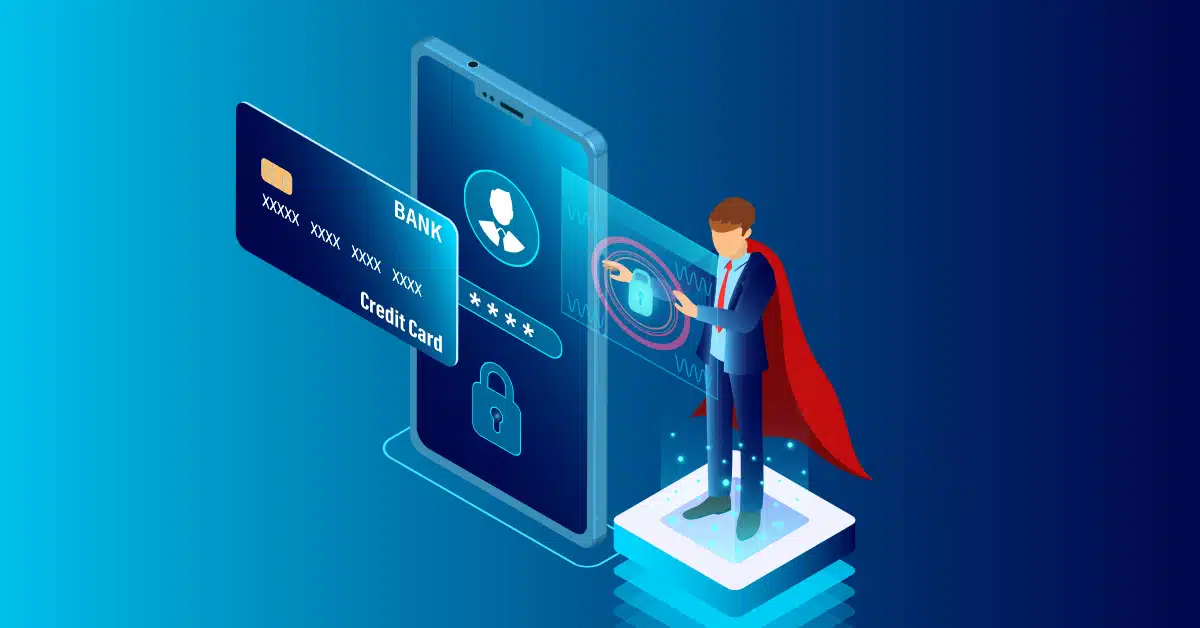
How to implement a privacy-first mobile security strategy for your organization.
Personal devices used for work expose company data to risk from unvetted apps businesses can’t fully control.
Neither MDM nor 2FA are enough on their own to keep you safe. Here’s why…

“All without people’s knowledge, let alone authorization.!
Deep dive on mobile related spyware, exploits and zero-click attacks.

Mobile risks that executive and non-executive personnel pose.
How your security team can mitigate BYOD risks to avoid a costly breach.
While the iPhone has plenty of privacy-enhancing features, that doesn’t make it hack-proof.

Lots of security holes fixed, but none of them reported as zero-days.
New HIPAA regulations now demand adherence. Find out what’s required.
It’s rarely that the crypto gets cracked… it usually get sidestepped, or downgraded, or bodged.


By subscribing you agree to our Privacy Policy and provide consent to receive updates from our company.